Source Organic Detox Bath Salt for Body Care, Foot Soaks, and Spa Treatments
Source organic detox bath salt from 30 verified listings. Compare options featuring sea salt, mineral salt, and herbal ingredients for moisturizing, exfoliating, and refreshing body care applications.
Key considerations
Products List


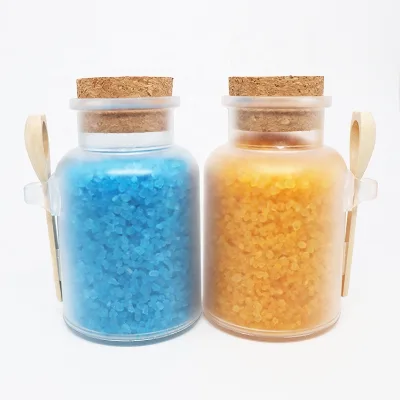



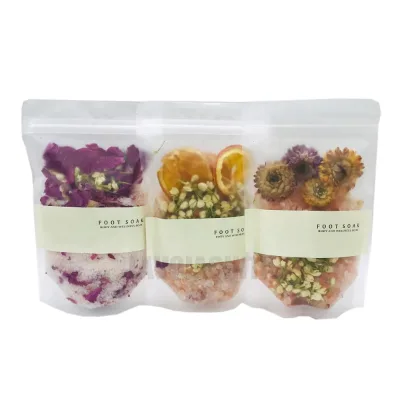
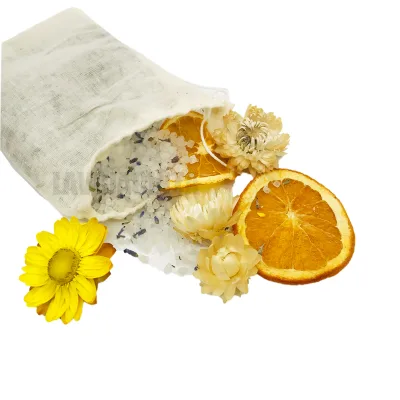
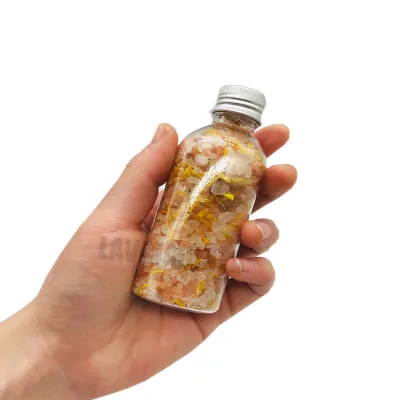


Comprehensive Sourcing Guide
Organic Detox Bath Salt Sourcing Guide
Sourcing organic detox bath salts requires a nuanced understanding of the intersection between natural ingredient sourcing and industrial manufacturing capabilities. While the term "organic" implies a strict adherence to agricultural standards, the observed market data reveals a complex landscape where products labeled with similar efficacy often rely on mineral salts, sea salts, or chemically enhanced formulations. Buyers must navigate this ambiguity by focusing on verifiable raw material origins and transparent ingredient lists rather than relying solely on marketing terminology. The primary objective is to secure a supply chain that delivers consistent purity, effective detoxification properties, and compliance with international safety standards, ensuring that the final product meets both regulatory requirements and consumer expectations for natural wellness solutions.
This guide provides a structured approach to evaluating bath salt suppliers, emphasizing the verification of raw materials, technical specifications, and commercial terms. By analyzing observed listing signals, such as price ranges, minimum order quantities (MOQs), and packaging configurations, buyers can identify reliable partners capable of meeting specific volume and quality demands. The following sections detail the critical steps for validating product claims, assessing supplier qualifications, and establishing long-term procurement strategies that mitigate risk while maximizing value in the competitive bath and body care market.
Product Scope and Observed Listing Signals
The current market for bath salts exhibits a wide variance in product positioning, ranging from basic mineral salts to specialized formulations targeting specific skin types and therapeutic effects. Observed listings indicate a price range of $0.14 to $155 USD, reflecting differences in raw material quality, packaging sophistication, and brand positioning. Minimum order quantities (MOQs) vary significantly, from as low as 5 units for sampling or small-batch customization to 5,000 units for large-scale industrial distribution. This disparity suggests that buyers should align their procurement strategy with their sales volume, considering that lower MOQs may incur higher per-unit costs but offer greater flexibility for market testing and private label development.
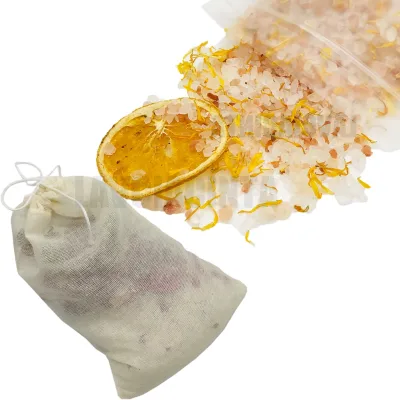
Product attributes observed in the market highlight a strong emphasis on customization and diverse efficacy claims. Common features include moisturizing, exfoliating, refreshing, and cleansing properties, with fragrances predominantly centered around floral and herbal notes. Raw materials are frequently listed as sea salt, mineral salt, or herbal blends, with some products explicitly noting chemical ingredients for enhanced effect. Packaging options range from standardized cartons containing 200 pieces to customized client-specific designs, with standard weights varying from 70g to 454g. Buyers should carefully review these specifications to ensure that the selected product aligns with their target audience’s preferences for scent, texture, and package size, while also verifying that the supplier can accommodate the required packaging customization.
Technical Specifications to Verify
Technical verification begins with confirming the exact composition and physical properties of the bath salt. Buyers must request detailed product data sheets that specify the type of salt (e.g., Epsom, Dead Sea, Himalayan), particle size, and moisture content, as these factors directly impact solubility and user experience. The observed models, such as B2004, L-BS002, and L-BS003, indicate that suppliers offer distinct product lines with varying standards, such as 70g or 100g per unit. It is crucial to verify that the stated weight corresponds to the net content of the salt alone, excluding packaging, to ensure accurate inventory management and cost calculation. Additionally, buyers should confirm the shelf life, which is typically listed as 2 to 3 years, and ensure that storage conditions recommended by the supplier are feasible for their distribution channels.
Fragrance and ingredient transparency are critical technical aspects that require rigorous verification. While many products advertise floral or herbal scents, buyers should request full ingredient lists to distinguish between natural essential oils and synthetic fragrances, especially if marketing the product as "organic" or "natural." The presence of chemical ingredients, as noted in some listings, necessitates a clear understanding of their function and safety profile. Buyers should also verify the skin type compatibility, with many products claiming suitability for all skin types, but specific formulations may be better suited for sensitive or dry skin. Requesting sample batches for sensory evaluation and solubility testing is essential to validate these technical claims before committing to large orders.
Compliance and Safety Documentation
Compliance with international safety standards is non-negotiable for bath salt products, particularly those marketed with detoxification or therapeutic claims. Buyers must ensure that suppliers provide relevant certifications, such as SGS testing reports, which verify the absence of harmful contaminants like heavy metals, microbes, and pesticides. The observed mention of SGS standards indicates that some suppliers adhere to recognized quality benchmarks, but buyers should request the actual test reports to confirm that the specific batch meets regulatory requirements for the target market, whether it is the EU, US, or Asia. Additionally, if the product is labeled as organic, buyers should verify certifications from recognized bodies like USDA Organic or EU Organic, ensuring that the raw materials are sourced from certified farms and processed without prohibited substances.
Labeling compliance is another critical area that requires attention. Buyers must ensure that product labels include all mandatory information, such as ingredient lists, net weight, manufacturer details, batch numbers, and expiration dates. The observed shelf life of 2 to 3 years must be clearly communicated to consumers, and buyers should verify that the supplier’s packaging process includes accurate dating and batch coding for traceability. Furthermore, buyers should check for compliance with local cosmetic regulations, which may require specific warnings, usage instructions, or allergen declarations. Engaging with a third-party compliance consultant can help navigate these complex regulatory landscapes, ensuring that the product can be legally sold and distributed in the target market without risk of recalls or penalties.
Cost Drivers and Commercial Terms
Understanding the cost drivers for bath salt products is essential for accurate budgeting and margin analysis. Key factors influencing price include the type and quality of raw materials, with organic or specialty salts commanding higher prices than standard mineral salts. Packaging complexity also plays a significant role, as customized designs, premium materials, or eco-friendly options can increase per-unit costs. The observed MOQ range of 5 to 5,000 units suggests that economies of scale are achievable, with larger orders typically resulting in lower per-unit prices. Buyers should negotiate volume discounts and clarify whether the quoted price includes shipping, taxes, and duties, as these can significantly impact the total landed cost.
Commercial terms, including payment methods and delivery schedules, must be clearly defined to mitigate financial and operational risks. The observed delivery time of 3 days in stock indicates that some suppliers maintain ready-to-ship inventory, which can be advantageous for urgent orders or market testing. However, for customized products, lead times may extend significantly, requiring careful planning to avoid stockouts. Buyers should establish clear agreements on payment terms, such as deposits and balance payments upon shipment, and verify the supplier’s ability to meet delivery deadlines. Additionally, buyers should inquire about the supplier’s policy on defective goods and returns, ensuring that there is a mechanism for addressing quality issues without incurring additional costs.
Supplier Qualification and Quality Control
Supplier qualification involves a thorough assessment of the manufacturer’s capabilities, reputation, and quality management systems. Buyers should verify the supplier’s business license, production facilities, and experience in the bath and body care industry. The observed origin of many products in Guangzhou, China, highlights the region’s strong manufacturing ecosystem, but buyers should conduct on-site audits or request virtual tours to assess hygiene standards, production capacity, and quality control processes. Suppliers with OEM/ODM capabilities, as noted in the listings, offer flexibility for private label development, but buyers should evaluate their design and engineering support to ensure that the final product meets their brand standards.
Quality control measures must be integrated into the procurement process to ensure consistent product quality. Buyers should establish clear quality specifications, including visual, olfactory, and chemical criteria, and require pre-shipment inspections by third-party agencies. The observed packing configurations, such as 200 pieces per carton or customized packaging, should be verified for durability and protection during transit. Buyers should also implement a sampling protocol, where random samples from each production batch are tested for consistency and compliance. By maintaining open communication with the supplier and addressing any quality issues promptly, buyers can build a reliable supply chain that delivers high-quality bath salt products to their customers.
Long-Term Procurement Checks
Long-term procurement success depends on continuous monitoring and relationship management with suppliers. Buyers should establish regular performance reviews, assessing metrics such as on-time delivery, product quality, and responsiveness to issues. The observed shelf life of 2 to 3 years allows for some inventory flexibility, but buyers should monitor expiration dates closely to avoid selling outdated products. Additionally, buyers should stay informed about changes in regulatory requirements and market trends, adapting their procurement strategies accordingly. By fostering a collaborative relationship with suppliers, buyers can benefit from early access to new products, improved pricing, and enhanced support for marketing and distribution efforts.
Sustainability and ethical sourcing are increasingly important considerations for long-term procurement. Buyers should evaluate their suppliers’ commitment to environmental responsibility, including the use of sustainable raw materials, eco-friendly packaging, and ethical labor practices. The observed customization options, such as private labeling and customized packaging, provide opportunities for buyers to differentiate their products and appeal to environmentally conscious consumers. By aligning their procurement practices with sustainability goals, buyers can enhance their brand reputation, build customer loyalty, and contribute to a more responsible supply chain. Regularly reviewing and updating procurement policies ensures that the business remains competitive and resilient in the evolving bath and body care market.
FAQs
What are the main ingredients in these bath salts?
The main ingredients include sea salt, mineral salt, and herbal components. Some products also contain chemical ingredients for specific effects like cleansing or moisturizing, ensuring a variety of options for different needs.
Can I customize the packaging for these bath salts?
Yes, customization is available for packaging requirements. Clients can request specific packing formats such as paper boxes or customized designs, with options like 200 pieces per carton or 288 bags per carton depending on the model.
What is the minimum order quantity for these products?
The minimum order quantity varies by product model, ranging from 72 boxes to 5000 pieces. Specific models like L-BS003 require 72 boxes, while others may start at 288 bags or 288 pieces per carton.
How long is the shelf life of these bath salts?
The shelf life typically ranges from 2 to 3 years depending on the specific product formulation. Most items are designed to remain effective for at least two years when stored properly after production.
Where are these bath salts manufactured?
These products are manufactured in Guangzhou and Guangdong, China. The origin is consistently listed as China, ensuring a centralized production hub for efficient logistics and supply chain management.
What certifications do these bath salts meet?
Some products meet the SGS standard, indicating compliance with specific quality and safety requirements. This certification helps ensure that the bath salts are safe for use on all skin types and meet industry standards.
What are the available product specifications and sizes?
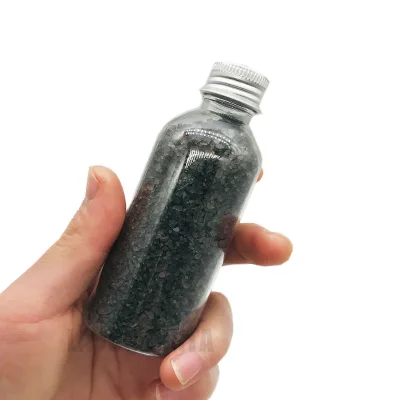
Specifications vary by model, including weights like 70g, 100g, 283g, and 454g, as well as liquid volumes like 100ml. Models such as B2004 and L-BS001 offer different standard sizes to suit various consumer preferences.